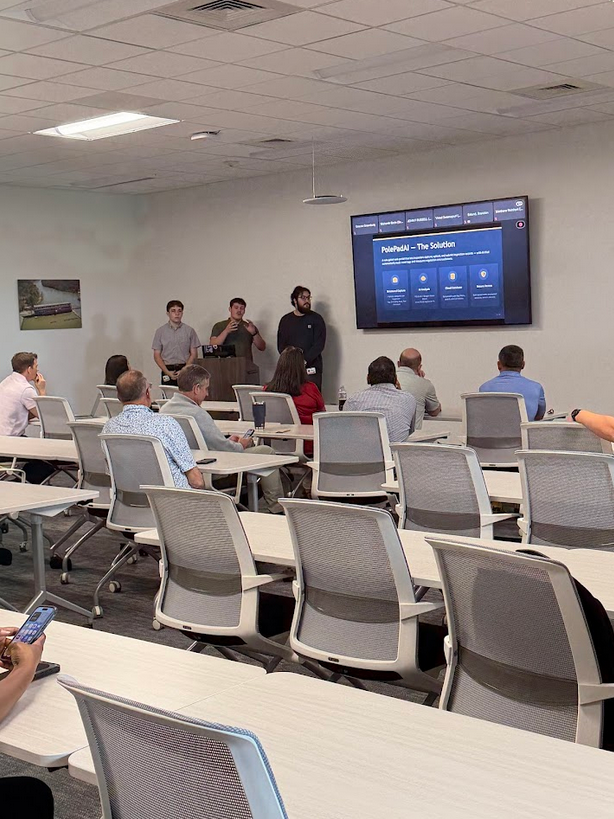
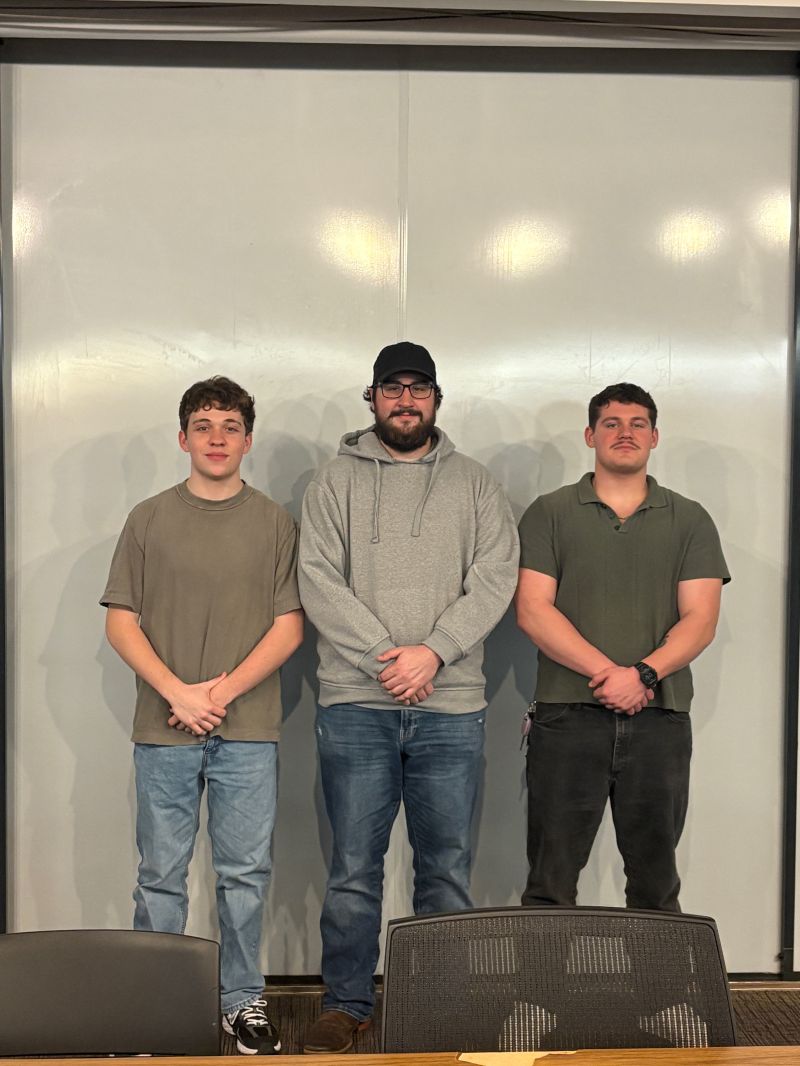
The problem behind PolepadAI was simple and practical: manual utility pole inspection is slow, repetitive, and easy to get wrong when teams are juggling image review, asset documentation, and field conditions. We wanted to reduce the amount of time spent manually identifying, cropping, and documenting assets from inspection imagery.
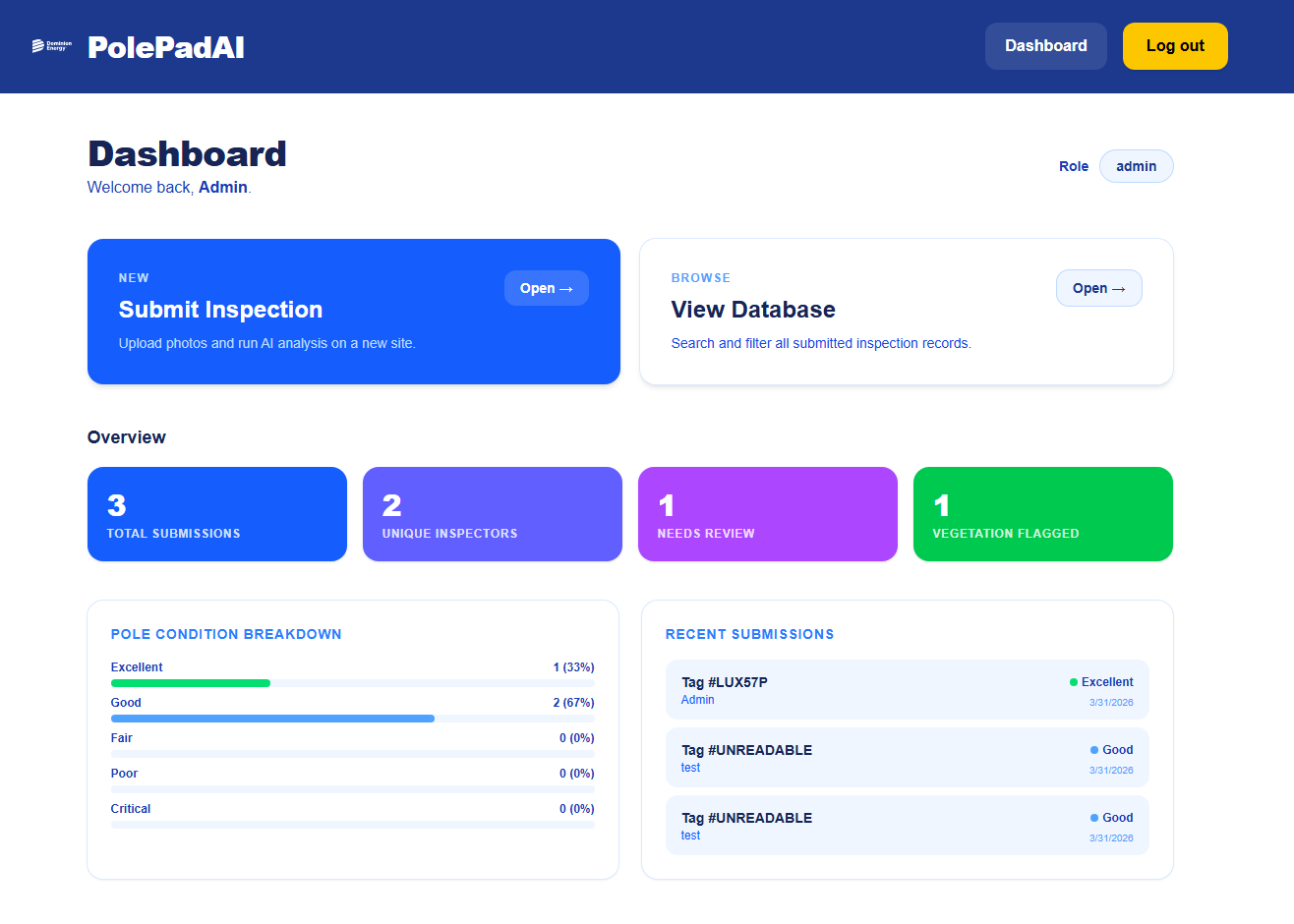
PolepadAI automated that process by combining computer vision and OCR into a workflow that could find relevant components, isolate the important visual regions, and extract readable identifying information. The core pipeline used a YOLO-based detection model with EasyOCR handling text extraction, while OpenCV heuristics helped identify vegetation-related issues around the pole environment.
My role sat across both the technical and coordination sides. I personally trained the YOLO model, engineered the FastAPI backend, and served the application from my home server over Cloudflare. I also acted as the PM for scope control and helped keep the frontend and backend integration moving so we could get to a real demo instead of drowning in unfinished ideas.
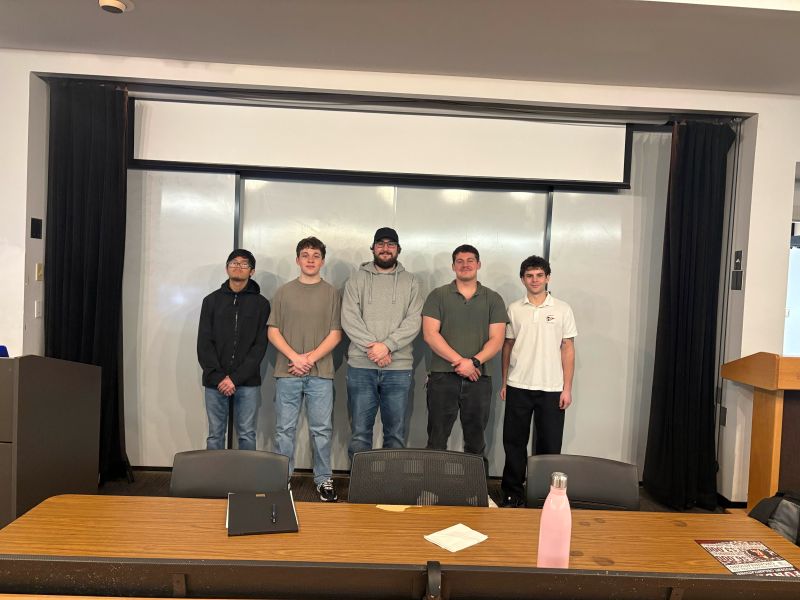
The stack was broad for a hackathon build: Python and FastAPI on the backend, a Next.js frontend, AWS for data storage, YOLO for object detection, EasyOCR for text extraction, and OpenCV for additional inspection heuristics. The honest lesson was that we overscoped the integration surface. Trying to land AWS, Next.js, and AI systems at once created more coordination risk than we needed. Next time, I would define the technical contracts between components earlier and lock the interfaces before building in parallel.
We did not win the competition, but the project still stood out. We were invited as a special guest team to present PolepadAI directly to Dominion Energy's CTO alongside the three winning teams, which was a strong signal that the idea and execution resonated beyond the formal placement results.